MICROCONTROLLERS

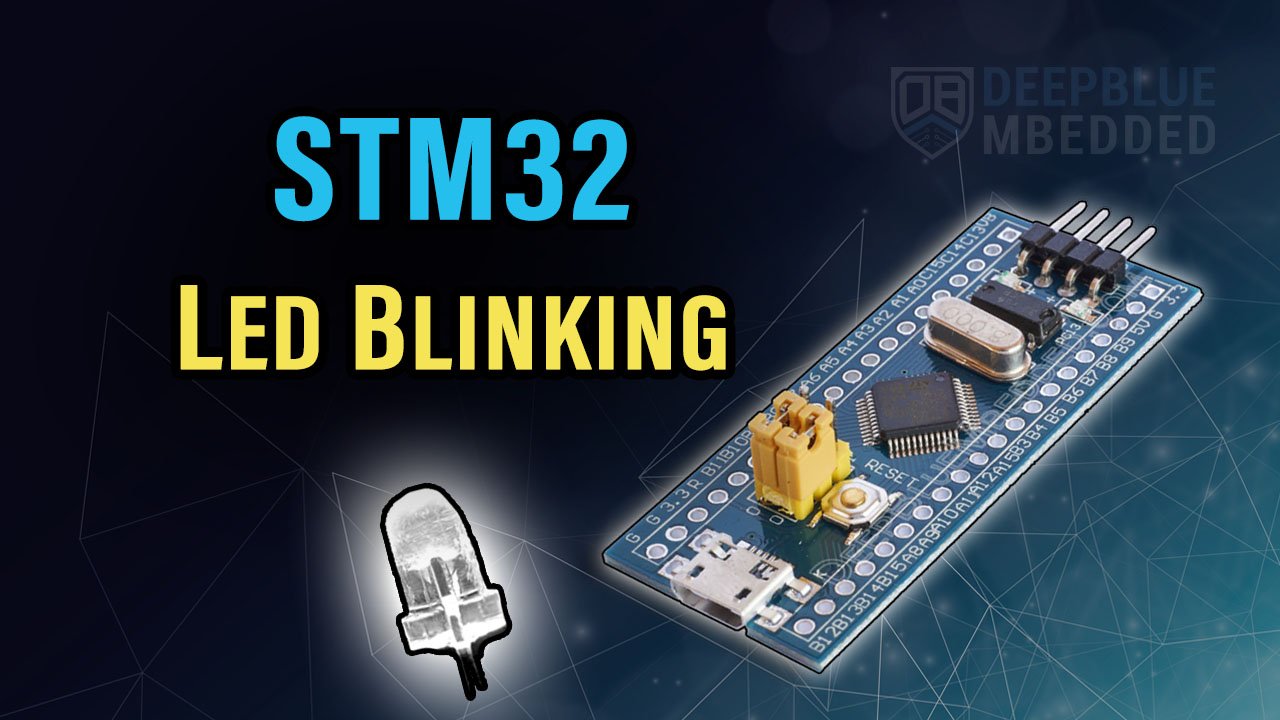
STM32

  • 0 Students Enrolled
  • STM32 is a family of 32-bit microcontrollers developed by STMicroelectronics
  • Based on ARM Cortex-M cores
  • Designed for high performance, low power, and embedded applications

🔹 Key Features

  • 32-bit ARM Core
    Faster processing compared to 8-bit/16-bit controllers
  • High Performance
    Clock speeds typically range from ~32 MHz to 480 MHz (depending on series)
  • Low Power Consumption
    Multiple power-saving modes (sleep, stop, standby)
  • Memory Options
    • Flash memory (program storage)
    • SRAM (data storage)
  • Rich Peripherals
    • GPIO (General Purpose I/O)
    • ADC, DAC
    • Timers, PWM
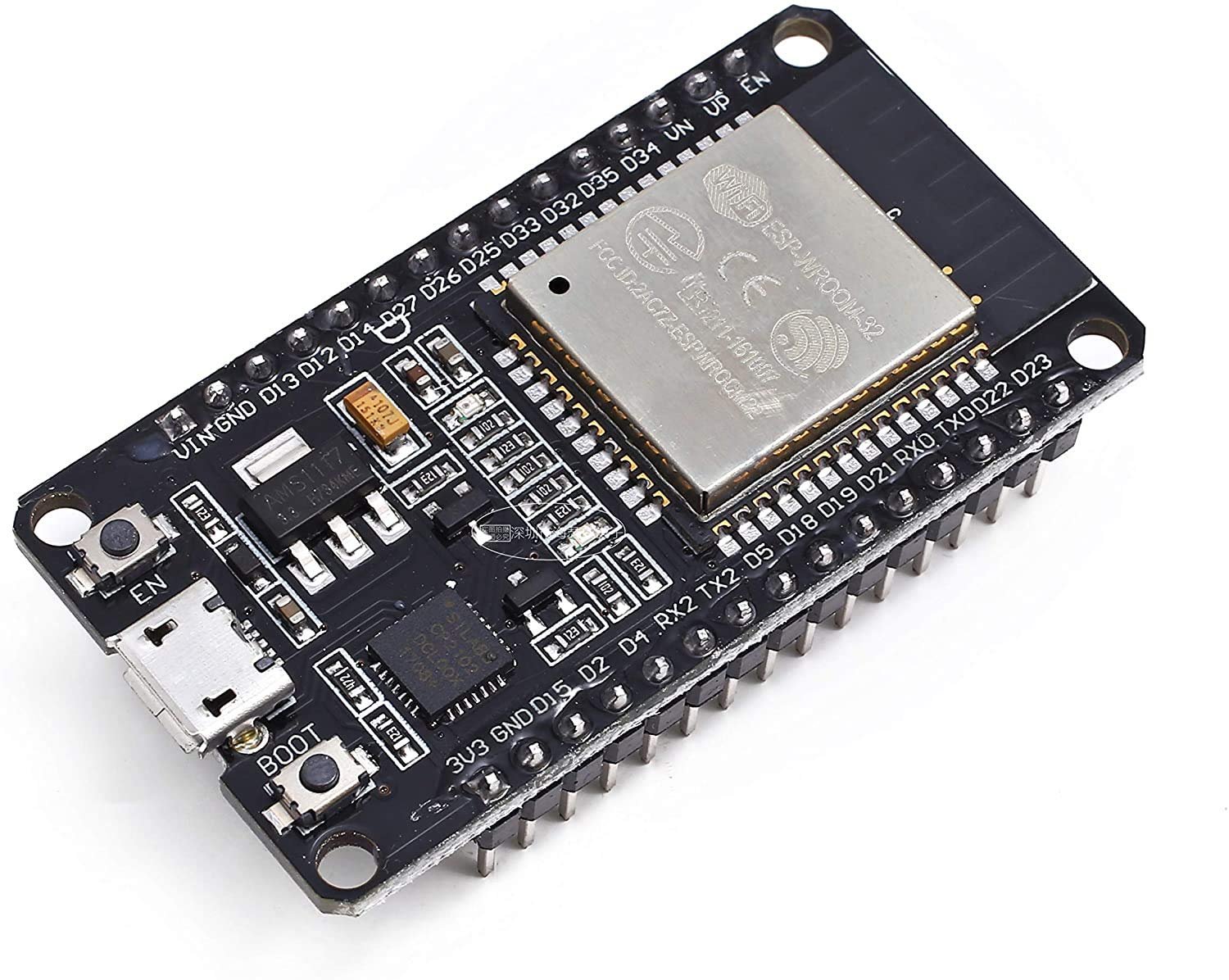
    • Communication: UART, SPI, I2C, CAN, USB
  • Real-Time Capabilities
    Suitable for time-critical embedded systems

🔹 STM32 Series (Popular Families)

  • STM32F0 / F1 / F3 – Entry-level and general-purpose
  • STM32F4 – High performance (very popular)
  • STM32F7 / H7 – Advanced high-speed applications
  • STM32L0 / L4 / L5 – Ultra-low power devices
  • STM32G0 / G4 – Balanced performance and efficiency

🔹 Development Tools

  • STM32CubeIDE – Official IDE for coding and debugging
  • STM32CubeMX – Helps configure peripherals easily
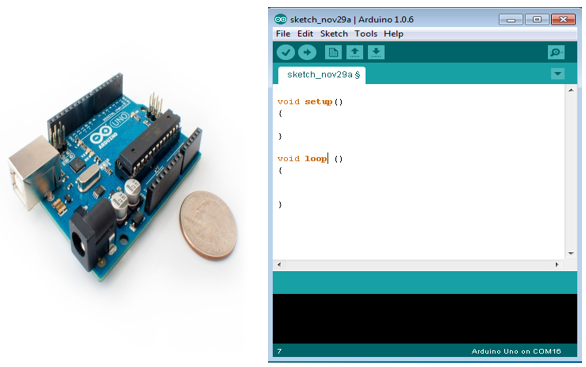
  • Supports C/C++ programming

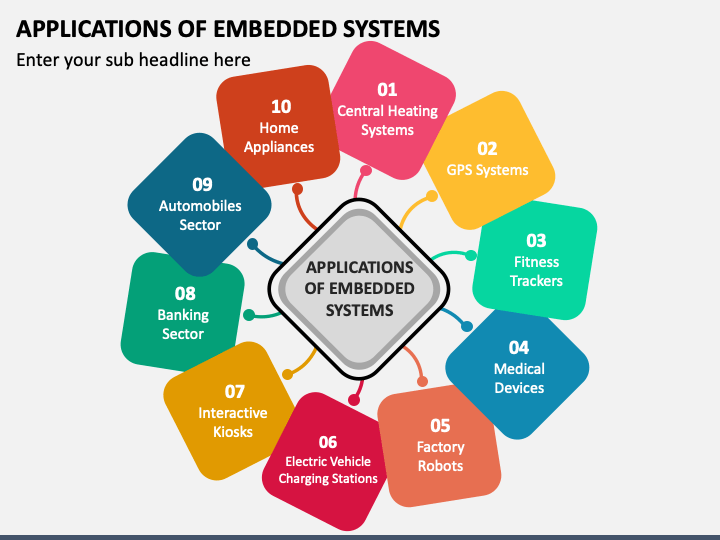
🔹 Applications

  • Embedded systems
  • IoT devices
  • Industrial automation
  • Robotics and control systems
  • Consumer electronics (washing machines, smart devices)
  • Automotive systems

Frequently Asked Questions

No FAQ Found!
Instructor
Radhika
Instructor

hey i  am a Default Constructor

Login

This course is not reviewed yet.

image

Free

Discounted Price: ₹
This Course Includes
  • CPU (Central Processing Unit)
  • Executes instructions and controls all operations within the microcontroller.
  • Memory (RAM, ROM, Flash)
  • RAM: Temporary data storage
  • ROM/Flash: Stores program/code permanently
  • Input/Output (I/O) Ports
  • Allows connection with external devices like sensors, LEDs, motors, etc.
  • Timers and Counters
  • Used for time delays, event counting, and generating signals.
  • Clock System
  • Provides timing for operations; can be internal or external oscillator.
  • Analog-to-Digital Converter (ADC)
  • Converts analog signals (e.g., temperature, light) into digital data.
  • Digital-to-Analog Converter (DAC)
  • Converts digital data into analog signals (available in some controllers).
  • Interrupt System
  • Handles urgent tasks by temporarily pausing the main program.
  • Serial Communication Interfaces
  • Supports communication protocols like UART, SPI, I2C.
  • Low Power Consumption
  • Designed for energy-efficient operation, ideal for battery-powered devices.
  • Compact Size
  • Integrates multiple components on a single chip.
  • Programmable
  • Can be programmed and reprogrammed for different applications.
  • Watchdog Timer
  • Resets the system automatically if the program hangs or crashes.
  • PWM (Pulse Width Modulation)
  • Used for controlling motor speed, brightness of LEDs, etc.